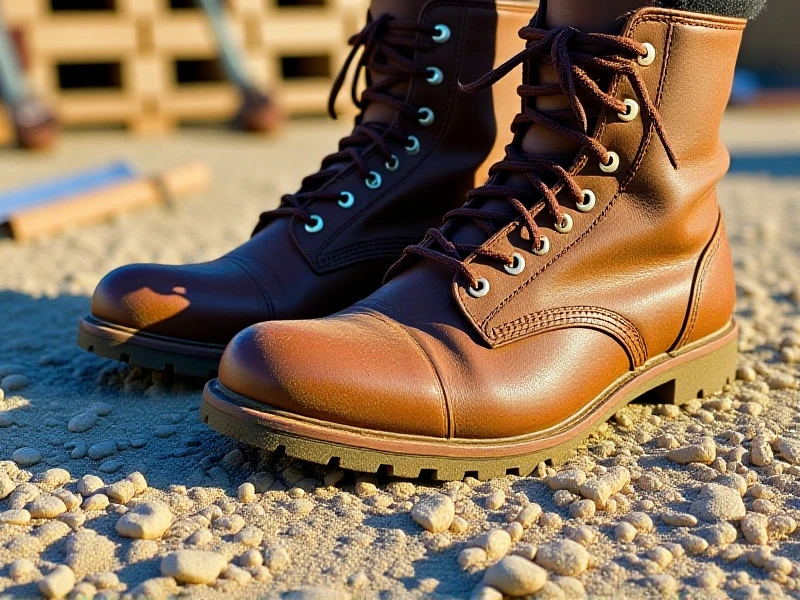
The Essential Guide to Finding Your Perfect Pair of Men's Work Boots
Finding the right men's work boots isn't just about style; it's about safety, comfort, and enduring countless hours on the job. Your boots are your foundation on the construction site, in the workshop, or navigating challenging terrain. Choosing wisely makes a significant difference in your day-to-day work life and long-term well-being.
Prioritizing Safety First Safety is non-negotiable. Depending on your workplace hazards, specific safety features in men's work boots are mandatory:
- Steel Toe or Composite Toe: Crucial for protecting feet from crushing impacts or falling objects. Many industries mandate this protection. Look for the ASTM F2413 standard.
- Electrical Hazard Protection (EH): Essential for electricians or those working near live wires. These boots reduce the risk of electrical shock.
- Puncture Resistance: A protective midsole shield prevents sharp objects like nails or metal shards from piercing through the sole and injuring your foot.
- Slip Resistance: Outsoles designed with aggressive treads and slip-resistant compounds provide critical traction on oil-slick floors, ice, mud, or other slippery surfaces.
Uncompromised Comfort for All-Day Wear Standing or moving for long shifts demands exceptional comfort:
- Cushioning & Support: Look for well-cushioned insoles and midsoles (like EVA or polyurethane) that absorb shock and reduce fatigue. Good arch support is vital.
- Proper Fit: Size matters! Boots should fit snugly, not tight, with enough room to wiggle toes. Consider trying on boots with the socks you'll wear at work.
- Breathable Materials: Waterproofing like Gore-Tex® is important, but breathable linings (e.g., leather, moisture-wicking mesh) help prevent sweaty, uncomfortable feet.
Built Tough: Durability That Lasts Men's work boots need to withstand immense wear and tear:
- Materials: Premium full-grain leather is renowned for its toughness, abrasion resistance, and ability to mold to your foot. Quality synthetic materials and durable nylon are also common. Look for reinforced stitching, especially around stress points like the toe and heel.
- Outsole Construction: Oil-resistant, heat-resistant, and chemical-resistant rubber compounds are common. Lug patterns provide traction and resist wear.
- Quality Construction: Pay attention to welt construction (like Goodyear welt) known for superior durability and potential resoling, extending the boot’s life significantly.
Don't Overlook Features & Fit Think about your specific environment:
- Waterproofing? Essential for outdoor or wet conditions.
- Insulation? Required for cold environments. Uninsulated boots are better for warmer weather or indoor work.
- Height? 6-inch boots offer basic ankle support; 8-inch or higher provides more ankle stability. Choose what's practical for your tasks.
- Weight? Lighter boots are less fatiguing over a long day.
Investing time in selecting the right men's work boots is investing in your safety, comfort, and job performance. Consider the specific hazards you face, prioritize safety features required by your workplace, and insist on comfort that endures. A well-chosen pair of durable men's work boots becomes a reliable, protective partner on every shift, day after day. Treat your feet right; they carry you through it all.