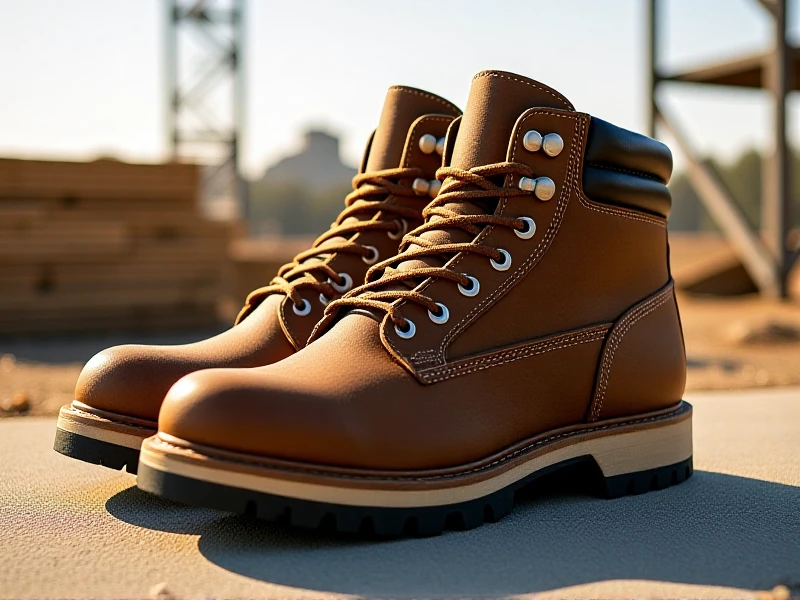
Why Men's Work Boots Matter: Choosing the Best Protection for Your Job
Your feet carry the weight of your work, literally. For men facing demanding jobs in construction, manufacturing, warehouses, or landscaping, the right pair of work boots isn't just about comfort—it's fundamental safety equipment and a critical investment in long-term performance. Choosing the best men's work boots means prioritizing protection without sacrificing the endurance needed for hard work.
Essential Safety Features: Your First Line of Defense
Safety is paramount. Look for boots that meet relevant industry safety standards:
- Safety Toe: Steel toe (ASTM F2413-18) remains the most common standard, protecting against impact and compression. For lighter weight and less conductive properties, composite safety toes (also ASTM F2413-18 compliant) are a leading alternative. Aluminum toes offer similar protection but can dent more readily than steel.
- Puncture Resistance: A vital feature for those working around nails, metal scraps, or debris. A puncture-resistant plate (usually midsole) underfoot shields against unexpected penetrations through the sole.
- Slip & Oil Resistance: Outsoles with deep, aggressive lugs and advanced compounds designed to grip treacherous wet, oily, or uneven surfaces significantly reduce the risk of slips and falls (look for ASTM F3445-21 Slip Resistant or similar markings).
- Electrical Hazard (EH) Rating: Essential for electricians or workers encountering live circuits. EH-rated footwear provides a secondary source of protection against open circuits under specific conditions (indicated on the tag).
Beyond Safety: Comfort & Durability for Hours on Your Feet
Protection means little if the boots are unwearable. Comfort features are crucial:
- Support & Stability: A well-cushioned midsole and a secure shank (steel, composite, or thermoplastic) reduce foot fatigue and provide arch support during long shifts.
- Ankle Support: High-top designs offer superior stability on uneven ground and help prevent rolls or twists.
- Quality Materials: Full-grain leather remains exceptionally popular for its durability, water resistance, and flexibility over time. Waterproof membranes like Gore-Tex keep feet dry in wet conditions. Abrasion-resistant zones reinforce high-wear areas like the toe.
- Break-in Period: Quality leather work boots often require a short break-in period. Wear them for short intervals initially to mold them comfortably to your foot shape. Avoid boots that feel severely uncomfortable from day one.
Matching Your Men's Work Boots to Your Job & Environment
- Construction & Heavy Industry: Focus on maximum impact protection, puncture resistance, and durability under constant abuse. Steel/composite toe, electrical hazard rating (if needed) and rugged Vibram or similar lug soles are standard. Brands like Timberland PRO, Thorogood, or Wolverine are frequently chosen.
- Warehouse & Light Industrial: Comfort for constant walking is key. Composite toe boots are often preferred for lighter weight. Slip resistance is paramount. Good cushioning and lightweight designs are essential.
- Landscaping & Groundskeeping: Durability against the elements, waterproofing, and oil/slip resistance are vital. Consider boots offering comfort on softer or uneven terrain.
- Electrical Work: Safety-toe and EH ratings are essential requirements. Insulation may also be a factor for specific environments. Non-metallic safety toes (composite) are usually preferred.
Invest in Your Feet
Don't compromise on footwear that shields you from serious injury. High-quality men's work boots are built for the rigors of demanding jobs. Consider your specific hazards, prioritize certified safety features, ensure long-lasting comfort, and choose boots built with robust materials. Your feet, your health, and your livelihood depend on it. Visit the job site supervisor or footwear specialist for personalized recommendations based on your exact role.